
MUBENDE OUR HOME
Welcome to Our Page
Mubende District, located in central Uganda, is known for its rich cultural heritage, economic activities, and natural attractions. Here are some key activities in the district:
Read More
Mubende District, located in central Uganda, is known for its rich cultural heritage, economic activities, and natural attractions. Here are some key activities in the district:
Read MoreMany districts in various countries heavily rely on agriculture. Mubende might be engaged in the cultivation of crops such as coffee, tea, maize, and beans. Livestock farming, including cattle and poultry, could also be prevalent.
If Mubende has significant forested areas, forestry-related activities such as logging, timber production, and non-timber forest products might play a role in the local economy.
Some regions are known for their mining activities. If Mubende has mineral resources, mining operations might contribute to the local economy. This could include activities related to gold, copper, or other valuable minerals.
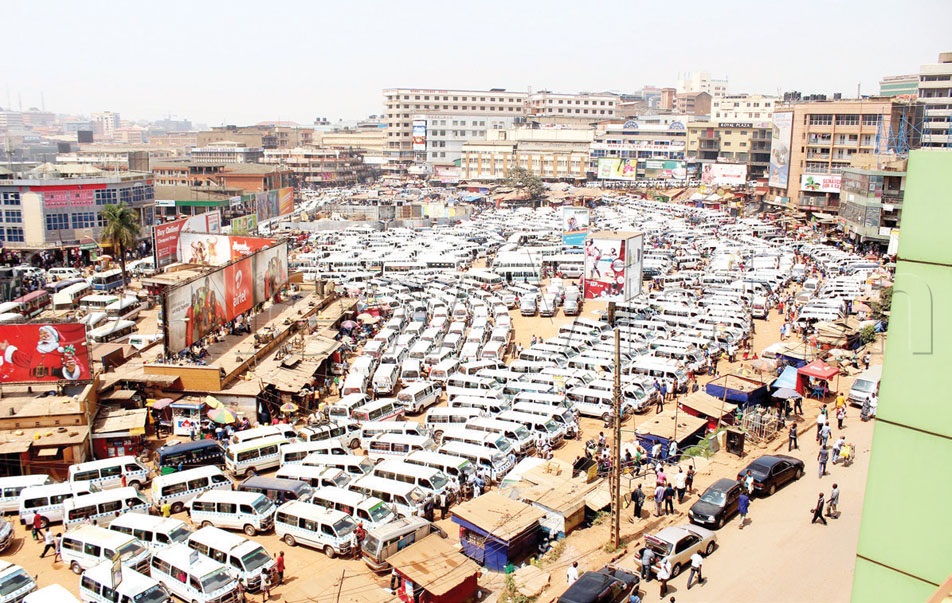
Districts often serve as trading hubs, with businesses engaged in retail and wholesale trade. Markets and commercial centers may thrive, providing essential goods and services to the local population.
Cottage industries or small-scale manufacturing enterprises may contribute to the economic landscape. This could include the production of handicrafts, textiles, or other locally manufactured goods.
Services such as healthcare, education, and tourism could be significant contributors to the economy. Local healthcare facilities, schools, and any tourist attractions might generate employment and income.
If Mubende is well-connected with transportation infrastructure, activities related to transportation, logistics, and trade facilitation could be vital for economic development.
The community of Mubende is composed of people of different social and ethnic origins with majority being Baganda; 36.1% followed by Banyoro 14%, Banyankole 11.4%, Bakiga 10.7%, Bafumbira 9.9%, Banyarwanda 6.8%, Bakhonzo 3.1%, Batoro 2.5%, Basoga 0.7% and others 4.6%.
The District is in Buganda Kingdom and hosts the historical home of the great Bunyoro Kitara Empire with the seat of King Ndahula the Chwezi and site for queen and priestess Nakayima at the popular tree on Mubende Hill. The main custodian of the Cultural heritage is the Buganda Kingdom headed by his majesty the Kabaka of Buganda.
The different ethnic groups enjoy a wealth of cultural values and traditions in forms of Clan systems, Language, dressing, folklore, foods, music, dance, drama and crafts. There has been changing cultural values due to the influence of western cultures and education. The Youth and the elite are instrumental in this change through adopting foreign dances; dressings and language. There are common traditional practices among different peoples which have been more enhanced by intermarriages among various groups. Bride wealth, use of traditional Medicine, Craft-work, dances and adoption of Kiganda names and language has been diffused among other tribes.
Mubende is not exclusive on the influence of various religion denominations, thus there exists followers of Christianity, Islam and some have jealously preserved their African traditional religion. The majority are Christians 87.1% (Catholics 45.5%, COU 31%, and other Christians 9.8%) followed by Islam 9.6% and others 3.4%. Some people from within and without Mubende pay homage to the Nakayima Tree
Copy Right © 2022 - 2024 Mubende Our Home All Rights Reserved.